Stuck between choosing Oak Alley or Whitney for your plantation day from New Orleans? Here's the honest difference and how to pick the one that fits your trip.
If you're planning a plantation day from New Orleans, it usually comes down to choosing Oak Alley or Whitney. On paper the two historic estates look similar: both about an hour up the River Road, both about 5 to 6 hours start to finish once you count the drive. Where they differ is what the visit is built around. Whitney is a self-guided memorial told in the recorded words of the people enslaved there. Oak Alley is a guided walk through a famous Greek Revival estate, with the same hard history set alongside it, yours to take at your own pace. So here's what each one actually is, and how to tell which tour is right for you.
What Whitney is about
Whitney is a memorial. The tour is self-guided: you ride out from New Orleans, and on arrival you get admission plus Whitney's audio tour, which you run yourself on the Whitney Plantation app on your own phone, so bring it charged and pack earbuds. You walk the grounds at your own pace while first-person narratives, drawn from the recorded words of formerly enslaved people, carry you through.
A New Orleans attorney bought the property in 1999, put fifteen years and millions of his own money into it, and opened it in 2014 as the first museum in the country dedicated to the history of slavery, told from the point of view of the people who were enslaved there. That focus is the whole site, not one room of it. You pass the Wall of Honor, carved with the names of people enslaved here. You stand in the Field of Angels, for the enslaved children who died in this parish before emancipation. You see the Children of Whitney, life-size figures of formerly enslaved people who told their own stories to interviewers in the 1930s. There's a Big House, but Whitney deliberately doesn't make it the star. The point is the people, in their own words.
This isn't an entertainment-style stop, and it isn't trying to be. It's a sober, deliberate experience that confronts slavery and its legacy, and most people who go call it one of the most meaningful things they did in Louisiana. Go in expecting exactly that.

What Oak Alley is about
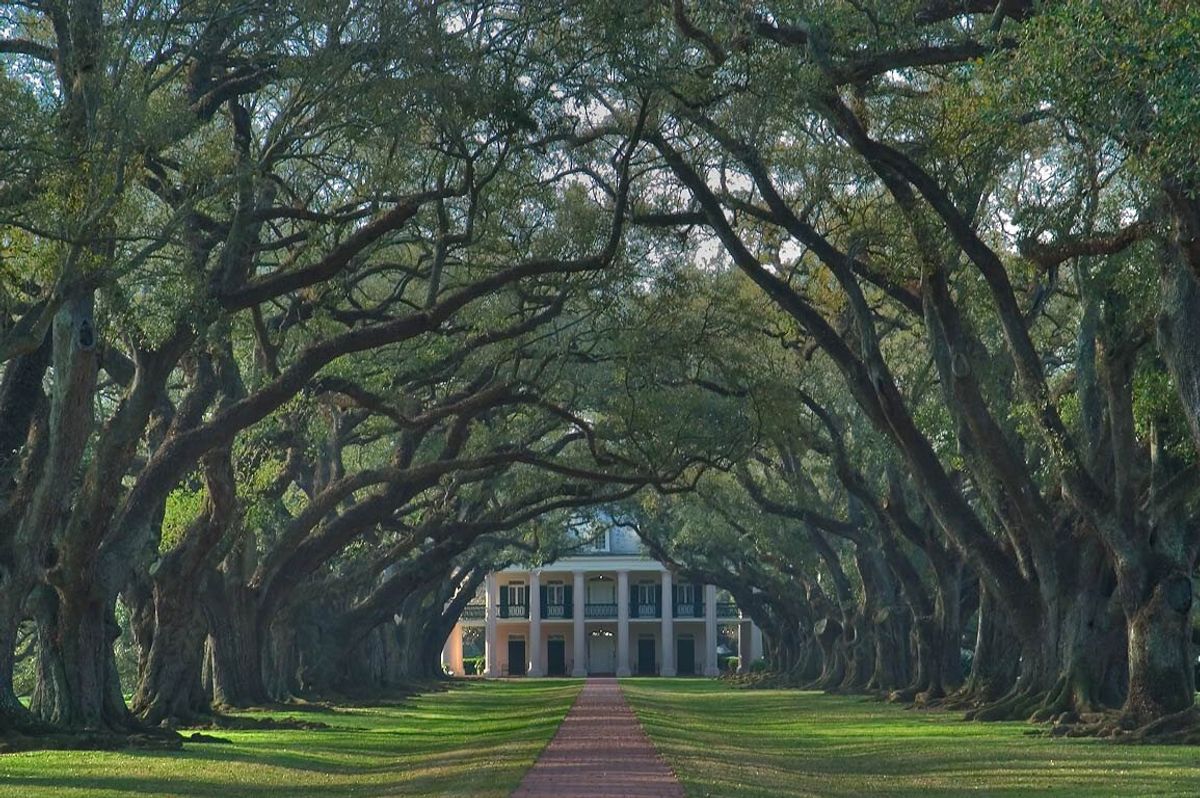
Oak Alley is the most photographed plantation in Louisiana, and you may have seen it before without knowing the name. Its quarter-mile tunnel of live oaks stood in for Louis's home in Interview with the Vampire and framed Beyonce's Deja Vu video, two of more than a dozen films, shows, and shoots filmed there. The oaks out front are around three centuries old and were planted long before the house. The Greek Revival mansion behind them went up in the late 1830s. That landscape and that architecture are why the place is famous, and why most people come.
That's not all Oak Alley is, though. The tour opens with a guided walk through the Big House with an interpreter, and then the harder history is yours to take at your own pace. Since 2013 there's been a serious, permanent slavery exhibit a short walk behind the house: reconstructed cabins where enslaved people lived, a wall naming nearly two hundred enslaved men, women and children documented here, and an exhibit tying their labor in the cane fields directly to the house and the fortune it built. It's honest and it's substantial. The difference is that at Oak Alley you choose how far into it you go. At Whitney that history is the whole visit.
If you want the fuller backstory before you go, we wrote a longer piece on the history of Oak Alley Plantation.

| Oak Alley | Whitney | |
|---|---|---|
| Centered on | The landscape and the Big House. | The lives of the enslaved people, in their own recorded words. |
| How you tour it | Guided Big House tour with an interpreter, then the slavery exhibit and grounds at your own pace. | Entirely self-guided on the Whitney Plantation app on your own phone. Bring it charged, with earbuds. |
| The slavery history | A deliberate, substantial exhibit you walk to behind the house. | The entire site. Real and substantial. |
| Getting there and time | About an hour from New Orleans, central meeting point near Jackson Square (not hotel pickup). Half day, roughly 5 to 6 hours. | Same: about an hour away, same meeting point, half day, roughly 5 to 6 hours. |
| On site | Cafe for lunch and rooms to stay over. | Gift shop only, by design. (Lunch isn't included at either.) |
| Photography | The oaks and the front of the house are the shot. No photos inside the Big House. | Photograph the grounds and the memorials. |
| Best for | If the landscape and the house are part of why you're going and you want the history when you walk back to it. | If you want that history to be the whole visit. |
The actual difference
It comes down to what the visit is centered on and how you take it in. Whitney is self-guided audio on your own phone, the recorded voices of the people who were enslaved and nothing pulling your attention the other way. Oak Alley is a guided walk through the house, then a real, serious slavery exhibit you take at your own pace alongside the landscape that made the place famous. Same River Road, same hour from town, genuinely different day. Sort out which of those you actually want before you book.
Which one is yours
Pick Whitney if you want the visit to be the reckoning itself, you'd rather have substance than scenery, and you're ready for something built to sit heavy. It's all ages, but it's sober by design, so it lands harder for adults and older kids than for a day out with little ones.
Pick Oak Alley if the oaks and the house are honestly part of why you want to go, you want the guided walk through the Big House and the real history waiting in the exhibit behind it, you've got kids along, or you want somewhere you can take your time, grab lunch, even stay over. Whitney has a gift shop and snacks, and that's on purpose. It's not that kind of stop.

Sign up and take $4 off every ticket
Join the newsletter and the discount comes with it.
If you want a bigger day
The Oak Alley side also comes as one full day with a swamp airboat ride, the bayou in the morning and the plantation after. Whitney is its own visit, on its own. Either way, pick the one that fits your trip and give it the day.
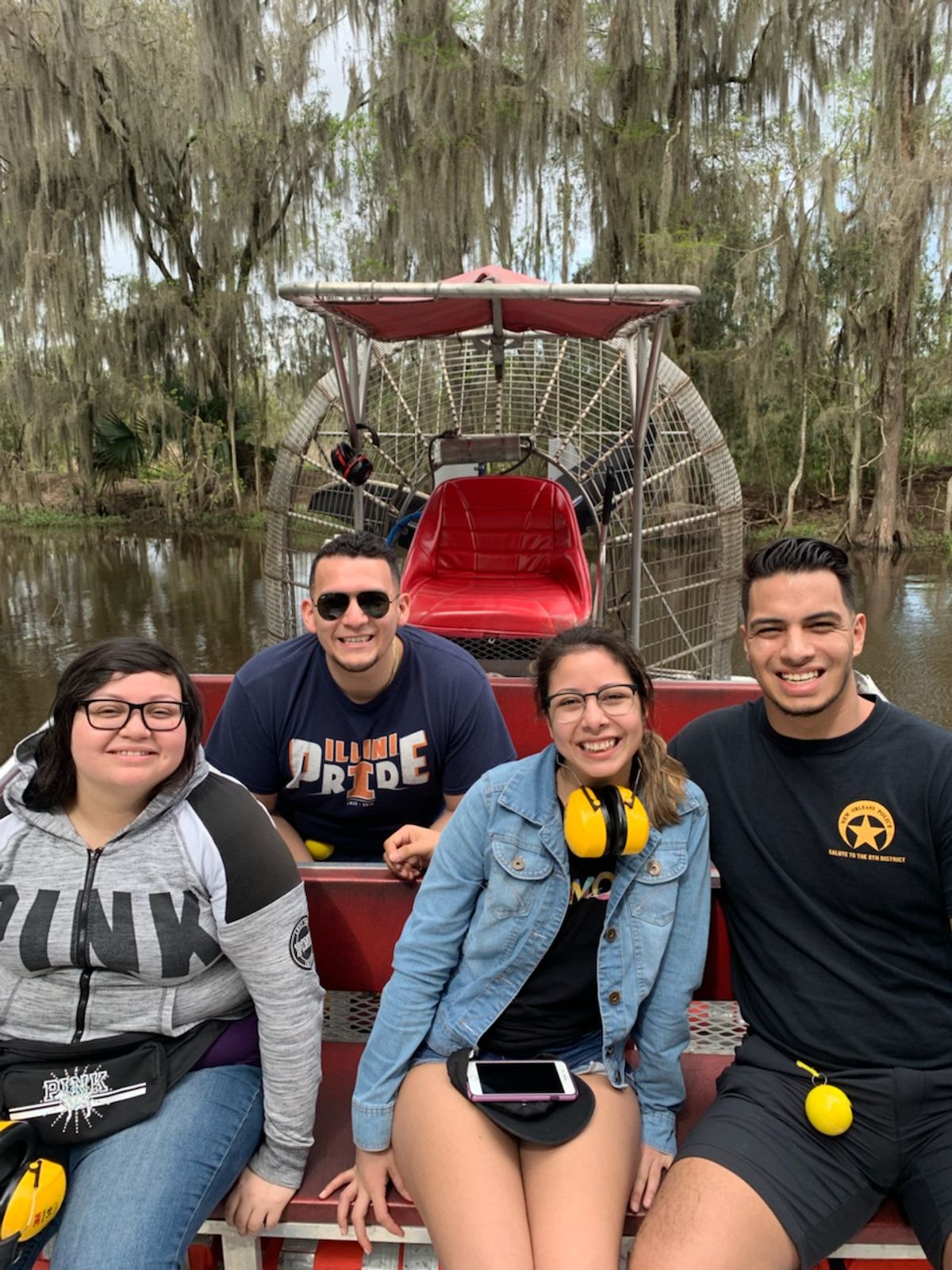
Swamp & Plantation Combo Tour: Oak Alley & Small Group Airboat
Wild bayou adventure meets iconic plantation history in one effortless day.Approx. 8 hours
See Availability
Oak Alley Plantation Tour
Walk beneath 28 ancient oaks and step into 300 years of Louisiana stories.Approx. 5 to 6 hours
See Availability
Whitney Plantation Tour
A powerful, immersive journey into the history of slavery in Louisiana5 hours 25 minutes
See AvailabilityBefore you go
Last practical notes. Both leave from a central meeting point near Jackson Square, not a hotel pickup, and both are a half day, roughly 5 to 6 hours start to finish. At Oak Alley the shot everyone wants is the oaks and the front of the house, and you can't photograph inside the Big House. Whitney is self-guided on your own phone, so go in with it charged and bring earbuds. You can see every plantation tour we offer in one place, or book either of these right from this page. If you're still torn after reading this, message us with who's coming and what you want out of the day, and we'll tell you straight which one to take.
Lenny Crist
Co-Owner & Operations
Lenny Crist is the co-owner of Gators & Ghosts in the French Quarter. Born in Louisiana and raised up north, he has a degree in journalism and a law school dropout story that ended with him moving to New Orleans in 2013 to help his aunt Charlotte grow the business. He also works as a ghost tour guide and is trying to get on Jeopardy.